EU PPWR 2026: What Foodservice Buyers Must Know About the New Packaging Regulation
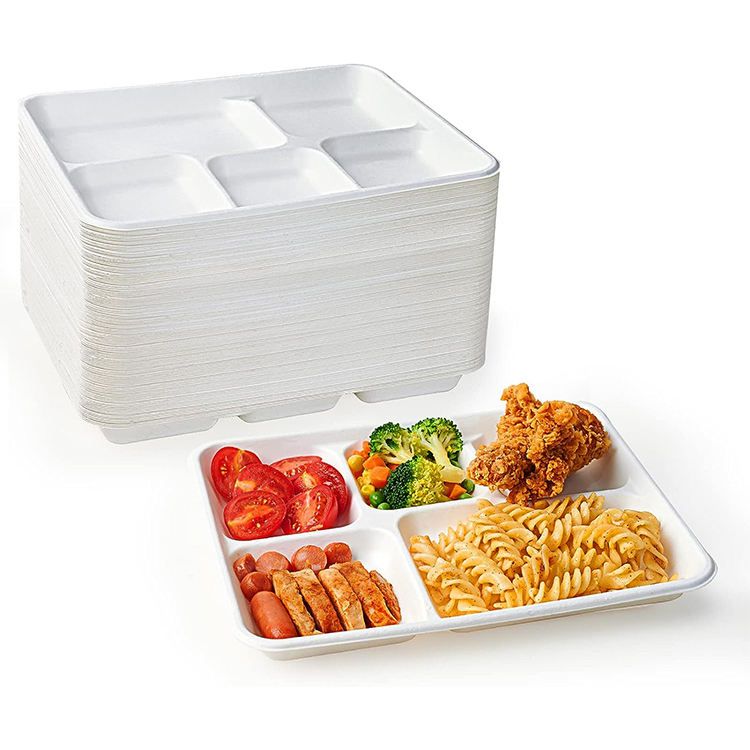
The European Union is rolling out its most significant packaging law in decades. From 12 August 2026, the Packaging and Packaging Waste Regulation (PPWR, Regulation (EU) 2025/40) generally applies across all 27 member states, replacing the old Packaging & Packaging Waste Directive (94/62/EC). For foodservice buyers, distributors, and brand owners who source takeaway containers and tableware — whether inside the EU or selling into it from abroad — this is a pivotal moment. PPWR shifts the industry from packaging that is technically recyclable to packaging that is genuinely recyclable, collection-ready, and free of substances of concern. In this guide, we break down the deadline cascade, the rules that matter most for food packaging, and how choosing certified fiber-based (bagasse) packaging produced by a compliant, certified factory like ours in Qingdao, China, can make compliance simpler.
What the PPWR Is and Why It Changes the Rules
PPWR is a directly applicable EU regulation, not a directive. That single distinction has big consequences: unlike the previous framework, which each member state had to write into its own national law (producing patchwork rules), a regulation binds every EU country in the same way, with no transposition step. The goal is straightforward — cut packaging waste, improve circularity, and push more recycled material back into use. Targets underpin it: a 5% reduction in packaging waste versus 2018 by 2030, rising to 10% by 2035.
The scope is deliberately wide. Any packaging placed on the EU market is covered — primary consumer packaging, transport packaging, e-commerce boxes, takeaway cups and containers, trays, and multi-pack wrap. It does not matter where the manufacturer sits. A supplier outside the EU whose packaging ends up on the European market is in scope, because jurisdiction follows market access, not location.
Who Carries the Obligations
PPWR assigns duties by role: manufacturers perform conformity assessment and issue a Declaration of Conformity (DoC); producers register for Extended Producer Responsibility (EPR); importers, distributors, and fulfilment providers each carry their own verification duties. One company often holds several roles at once. A brand that makes packaging and ships it into the EU can be manufacturer, importer, and producer simultaneously — and under the importer-as-manufacturer rule (Article 21), anyone who places packaging on the EU market under their own name or trademark assumes the manufacturer’s obligations, even in private-label arrangements. Small businesses below 10 employees and under €2 million turnover are exempt.
The PPWR Deadline Cascade to 2030
The 12 August 2026 date is a start line, not a finish line. Compliance phases in through several milestones, each with its own practical work for foodservice buyers.
| Date | Milestone | What it means for foodservice |
|---|---|---|
| 12 Aug 2026 | PPWR generally applies; DoC and technical documentation due; PFAS restricted in food-contact packaging | Verify PFAS-free materials, paperwork ready |
| 12 Feb 2027 | HORECA bring-your-own-container rules; first reuse reporting | Allow customers’ own reusable containers |
| 2028 | Compostability requirements apply; recyclability criteria sharpen; harmonized labelling | Tea/coffee bags, fruit & veg stickers, very light carrier bags need compostability evidence |
| 2029 | Digital Product Passport / QR-code disclosure | QR links to composition data on packaging |
| 1 Jan 2030 | Full enforcement: recyclability grade minimum, recycled-content thresholds, reuse targets, 50% empty-space cap, packaging minimization | Only A/B/C-graded packaging may be placed on market |
The 2030 date is the hard enforcement edge. From then, only packaging graded A, B, or C under the design-for-recycling methodology can be placed on the EU market (with limited exceptions), minimum recycled-content thresholds bind for plastics, and reuse targets become mandatory for formats ranging from carry-out drinks to transport packaging.
The Food-Contact Rules That Matter Most
Several provisions in PPWR directly shape the containers and cutlery foodservice buyers choose.
PFAS Restriction (Article 5)
From 12 August 2026, food-contact packaging cannot contain per- and polyfluoroalkyl substances (PFAS) above PPWR’s limits. PFAS are the synthetic chemicals long used to give paperboard grease and water resistance — precisely the kind of coating that has been common in foodservice disposables. Compliance is demonstrated through recognized test methods, and suppliers are expected to hold certificates declaring PFAS-free coatings and to retain them in the technical file. This is a decisive shift for buyers who source coated paper or molded items without verified PFAS status.
Recyclability and Design for Recycling (Article 6)
PPWR requires every packaging type to be designed for recycling and graded A, B, or C using the Annex II methodology — five tiers running from “technically recyclable” down to not recyclable. A worst-of rule applies: the lowest-scoring component determines the grade of the whole pack. A mono-material container with a PVC sleeve that disrupts the recycling stream takes the sleeve’s outcome, dragging the entire pack down. By 2030 only A, B, or C packaging may be placed on the market; by 2038 it must reach at least grade B. Recycling also means real-world collection and sorting at scale, not just theoretical recyclability.
Recycled Content (Article 7)
For plastic packaging, PPWR sets binding post-consumer recycled (PCR) content targets phased in from 2030. For plastic packaging overall the reference points include 30% for contact-sensitive packaging where PET is the major component, 10% for other contact-sensitive plastic packaging, 30% for single-use plastic beverage bottles, and 35% for other plastic packaging. Traceability relies on chain-of-custody certification. High-quality recycled food-grade polymer supply is expected to tighten, putting a premium on early planning. Fiber packaging made from bagasse — agricultural by-product, not plastic — is neither captured by these PCR thresholds nor dependent on recycled resin availability.
Compostable Packaging (Article 9)
PPWR generally leans toward recycling as the preferred end-of-life, but it mandates industrial compostability for certain items from 2028: tea, coffee, and similar beverage bags; fruit and vegetable stickers; and very lightweight plastic carrier bags. For other food packaging, compostability is recognized where it genuinely supports separate bio-waste collection. Crucially, compostable packaging is not automatically PPWR-compliant — it must also satisfy the recyclability, labelling, and substances rules, and claims should be tied to a named certification (such as EN 13432, BPI, or OK Compost). Certified compostable fiber packaging meets this need cleanly.
Why Bagasse Fiber Packaging Fits a PPWR World
When every packaging choice must pull toward recyclability, absence of PFAS, and documented compliance, molded bagasse tableware has clear advantages for foodservice buyers.
- PFAS-free by design: Sugarcane-fiber containers achieve grease resistance through the molding process and fiber density rather than PFAS coatings, removing the main food-contact compliance headache of 2026.
- Compostability evidence you can point to: With certifications such as BPI (ASTM D6400), DIN EN 13432, and OK Compost HOME, bagasse packaging gives buyers concrete third-party proof to attach to Declarations of Conformity — not vague marketing claims.
- No plastics, no recycled-content complexity: Because bagasse is a plant fiber by-product, it sidesteps PCR thresholds and resins entirely, while diverting agricultural residue from waste into durable, single-use tableware.
- Suited to hot and greasy foodservice: Molded fiber holds temperature, handles sauces and oils, and offers the rigidity buyers expect from plates, bowls, clamshells, and cut and drinkware.
That is why our own factory in Qingdao, China, produces molded bagasse, cornstarch, paper, and cutlery tableware under verifiable composting certifications. Buyers preparing for PPWR can source a tested, documented material rather than gambling on the compliance status of incumbent products.
Sourcing Compliant Packaging: What Buyers Should Verify
Because PPWR documentation sits with the party placing packaging on the market, smart buyers ask suppliers questions before they commit. Work through this practical checklist:
- Request certification copies: Ask for current BPI, EN 13432, or OK Compost certificates, and confirm which standard applies to each product.
- Confirm PFAS status: Obtain PFAS-free declarations and, where available, third-party test reports for food-contact items.
- Ask for the technical file: A responsible supplier should be able to provide material composition data, substance disclosures, and support for the Declaration of Conformity your brand or importer will issue.
- Check end-of-life claims honestly: Distinguish home-compostable from industrially-compostable, and avoid overstating either. Compostable does not automatically mean PPWR-compliant.
- Plan the timeline: With milestones every year from 2026 to 2030, lock in compliant suppliers and formats early rather than reacting at the cliff edge.
Treat documentation as a living file: update it whenever a material, supplier, or format changes, because authorities and EU customers can request proof of compliance at any time.
Frequently Asked Questions
Does the PPWR apply to companies outside the EU?
Yes. Scope follows market access, not location. Any packaging placed on the EU market is covered regardless of where the manufacturer is based. Under the importer-as-manufacturer rule, the EU-side party whose brand appears on the packaging typically becomes the responsible party and issues the Declaration of Conformity.
Is compostable packaging automatically PPWR-compliant?
No. Compostable packaging must still satisfy PPWR’s recyclability, labelling, and substances rules. A certified compostable claim (for example under EN 13432 or BPI) is important evidence, but it is not the whole compliance story. Tie every claim to a named standard and keep the supporting documentation.
When does the 30% recycled-content rule apply?
Minimum recycled-content targets for plastic packaging phase in from 1 January 2030, with obligations depending on the application — for example 30% for contact-sensitive packaging where PET is the major component. The percentages apply to the plastic component and must be met with post-consumer recycled material.
What happens if my packaging is not PPWR-compliant?
Non-compliant packaging can be refused or withdrawn from the EU market, and member states must set effective, proportionate, and dissuasive penalties. Beyond fines, market withdrawal is the more operationally serious risk because it interrupts sales. Compliance planning before 2026 avoids this exposure.
What food packaging formats must be compostable?
From 2028, certain items must be industrially compostable, including tea, coffee, and similar beverage bags, the sticky labels on fruit and vegetables, and very lightweight plastic carrier bags. Compostability is also recognized for food packaging where it genuinely helps separate bio-waste collection.
How does the PPWR differ from the Single-Use Plastics Directive?
PPWR is a directly applicable regulation binding all 27 member states uniformly, without national transposition. The Single-Use Plastics Directive (and the earlier Packaging Directive) required each country to implement its own law, producing variation. PPWR sets binding numerical thresholds, a standard Declaration of Conformity, and harmonized labelling that the earlier framework lacked.
Source PPWR-Ready Packaging from Our Qingdao Factory
Preparing for the PPWR does not have to mean reworking your entire sourcing strategy. Choosing a certified fiber-based material with solid documentation removes most of the friction. Our factory in Qingdao, China, manufactures molded bagasse, cornstarch, paper, and cutlery tableware, and we hold BPI (ASTM D6400), DIN EN 13432, OK Compost HOME, FDA, and LFGB certifications — evidence you can attach directly to your compliance file. We ship factory-direct on FOB Qingdao terms with container loads worldwide, flexible MOQ, OEM and custom logo support, samples available, and quotes within 24 hours.
Tell us the formats you need for the EU market — plates, bowls, clamshells, food containers, or cutlery — and we’ll help you confirm the certification and documentation that fit. Request a wholesale quote and we’ll respond promptly. For immediate questions, reach us on WhatsApp at +86 176 8572 4081 or email bygj3@qdbiotrade.com, and view our full certifications to see exactly what we hold.
Explore Our Range
PPWR is part of a broader shift across foodservice, from tightening bans and PFAS phase-outs to the rise of reusables and consumer demand for verifiable sustainability claims. See where the regulation fits in the wider 2026 single-use plastic ban compliance guide, or compare certification frameworks in our compostable certification standards overview. For related reading in this series, explore the UK bagasse tableware wholesale guide for how British buyers apply the same compliance logic, the 2027 foodservice packaging trends guide for where the market is heading, the procurement cost optimization guide, and the bagasse tableware importer guide. From molded fiber plates to clamshells and food containers, our complete molded pulp range is built to meet modern compliance demands.


