Sustainable Foodservice Packaging Trends 2027: What Buyers Should Watch
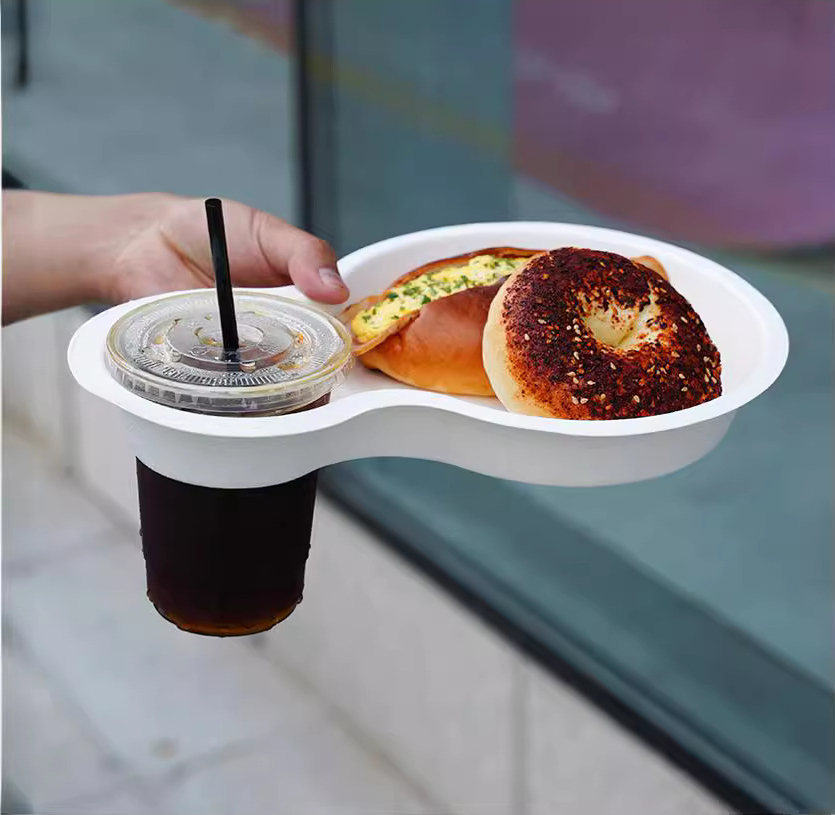
By 2027, sustainable packaging will no longer be a “nice to have” for restaurants, caterers, and foodservice distributors — it will be a condition of doing business. A regulatory sweep across the EU, the UK, and parts of North America is turning recyclability, recycled content, and chemical safety into legal requirements, while a majority of foodservice consumers now expect greener choices, and many are willing to pay more or switch brands for them. In this guide we unpack the trends that will shape 2027 procurement: tightening single-use rules, the PFAS phase-out, reusable and refill pressure, compostability claims, cost pressure, and circularity — and why molded sugarcane bagasse, made at our own factory in Qingdao, is the material that converges these shifts.
1. Regulation Moves From Guidance to Enforcement
The single biggest driver of 2027 change is regulation. The EU’s Packaging and Packaging Waste Regulation (PPWR) applies from August 2026 with staged obligations running into 2028–2030, replacing the old directive with binding recyclability, recycled-content, and reuse targets. Alongside it, single-use plastic restrictions already in force across much of Europe are widening, and the UK’s pEPR fees (from April 2025) and the Plastics Packaging Tax (2025/26 rate at or above £217 per tonne for packaging below 30% recycled content) continue to push costs onto non-compliant choices.
What enforcement means in practice
- Packaging must be designed recyclable or compostable and labeled so collection and sorting systems can process it correctly.
- Plastic packaging faces mandatory recycled-content thresholds, with a preference for certified post-consumer material.
- Certain single-use plastic items are already banned or restricted, driving buyers toward paper- and fiber-based alternatives.
- Chemical compliance is tightening, with PFAS increasingly targeted by law rather than left to voluntary commitments.
Why fiber-based packaging fits
Molded fiber made from bagasse is not plastic, so it sits outside many plastic-specific mandates such as recycled-content and plastics-packaging taxes. Because it is certified compostable, it can route into bio-waste collection rather than landfill, aligning with PPWR’s push to reduce residual waste. That regulatory fit is a practical advantage for foodservice buyers who need one reliable, documented material across a wide product range.
2. The PFAS Phase-Out Is Now Mandatory
Per- and polyfluoroalkyl substances, long used to make food packaging grease- and moisture-resistant, are being eliminated under accelerating rules. Regulatory grace periods are expiring, and forward-looking operators are requiring PFAS-free packaging with certified laboratory verification — often tested for total organic fluorine below 10 parts per million. This shifts buyers from trusting marketing claims to demanding test reports and third-party certification.
Bagasse tableware resists grease and heat because of the fiber’s structure, not chemical coating, making it a strong PFAS-free fit. When sourcing, ask for PFAS test documentation and certifications such as FDA and LFGB, and confirm any barrier comes from the material itself rather than added fluorinated treatments.
3. Reusable and Refill Pressure on Dine-In
Regulators and municipalities are pushing beyond single-use bans toward reuse and refill. In foodservice, this pressure lands mainly on dine-in operations, where reusable tableware and refillable drink stations are becoming expected rather than exceptional. Delivery and takeaway remain dominated by single-use packaging for hygiene and convenience, but they must now carry verifiable sustainability credentials.
For distributors, build a portfolio that covers both worlds: durable reusables where operators can return and wash, and genuinely compostable single-use items where they cannot. Fiber tableware certified for industrial or home composting gives operators a defensible single-use option without forcing changes to how they collect waste.
4. Home and Industrial Compostable Claims Grow — and Get Scrutinized
| Compostable claim | Certification (examples) | Where it matters |
|---|---|---|
| Industrial/compostable facility | BPI (ASTM D6400), DIN EN13432 | Accepted by municipal or commercial composting programs in many markets |
| Home compostable | OK Compost HOME | Appeals to consumers composting at home; stricter breakdown requirement |
| Food-contact safe | FDA, LFGB | Required for direct food contact across US and EU markets |
| Biodegradable (unverified) | No meaningful standard | Increasingly rejected by regulators and consumers; avoid vague claims |
Compostable claims are multiplying, and so is the scrutiny applied to them. Regulators and enforcement agencies are pushing back on vague “biodegradable” language, and buyers are learning to distinguish verified compostability from marketing. The meaningful certificates for foodservice packaging are documented compostability to an accepted standard — such as BPI (ASTM D6400), DIN EN13432, and OK Compost HOME — alongside food-contact approvals like FDA and LFGB.
Home versus industrial composting
The distinction matters in 2027. Industrial composting is the most realistic route for most foodservice packaging, because municipal and commercial facilities can process certified fiber at scale and at higher temperatures. Home compostable certification signals a stricter, slower-breakdown standard that appeals to a smaller but vocal segment of consumers. Choose the certification your end market actually expects, and do not overstate home compostability where the product is certified for industrial composting only.
5. Cost-Consciousness Meets Circularity
Foodservice operators, squeezed between rising material prices and margin pressure, are becoming more careful about packaging spend. At the same time, circularity — recycled content, design for recycling, and material traceability — is moving up the priority list. Buyers increasingly want to see circular credentials verified by documentation: certificates, declarations of conformity, and material technical data, not just slogans.
This tension shapes how smart operators source. They choose materials that deliver compliance and sustainability without a large premium and without forcing complicated new waste-handling behavior on staff. Fiber packaging checks these boxes: it is made from a renewable agricultural by-product, needs no fluorinated coatings, routes to existing compost systems, and — sourced factory-direct — can keep unit costs competitive.
6. Buyers Want Traceability and Carbon Data
Traceability is becoming a differentiator rather than an afterthought. Larger operators and distributors increasingly request material origin, environmental documentation, and carbon-footprint data as part of the sourcing package, and suppliers that can provide complete documentation tend to win and keep business.
Documentation to request from suppliers
- Compostability certificates (e.g. BPI / ASTM D6400, DIN EN13432, OK Compost HOME)
- Food-contact approvals (FDA, LFGB)
- PFAS-free test reports
- Declaration of conformity and material technical data
- OEM/custom branding and flexible MOQ terms
Our factory maintains these credentials and can share the supporting documentation so your compliance and traceability story is backed by evidence rather than assumption.
7. Buyers Should Watch These Common Mistakes
- Relying on “biodegradable” claims instead of verified compostability certifications — a growing compliance risk.
- Ignoring the home-versus-industrial distinction and overstating what a product can actually be certified for.
- Shopping on price alone and skipping documentation, only to fail an audit or customs check later.
- Treating one material as a universal answer — regulations differ by market, so confirm the right certification for each one.
- Missing OEM/branding lead times when custom logos matter to your offer.
Why Molded Bagasse Converges the 2027 Trends
Look across the 2027 picture — regulation, PFAS elimination, compostability, circularity, traceability, and cost pressure — and one material keeps fitting: molded sugarcane bagasse fiber. Bagasse is leftover pulp from sugarcane, a renewable by-product rather than virgin plastic. It is naturally grease- and heat-resistant, so it needs no fluorinated chemistry. Certified to recognized compostable standards, it routes into industrial or home compost systems and keeps plastics taxes and recycled-content mandates off your books.
Add factory-direct sourcing, flexible MOQs, and OEM branding, and bagasse becomes a practical single-use answer for operators who want compliance, sustainability, and cost control together. It does not replace reusables in dine-in (where they still have a clear role), but for takeaway, delivery, and catering it is increasingly the converged choice.
Frequently Asked Questions
Is bagasse packaging truly PFAS-free?
Yes, molded bagasse fiber offers grease and moisture resistance naturally, from the structure of the fiber, so it does not rely on added fluorinated coatings. For confirmation, request PFAS test reports and food-contact certifications such as FDA and LFGB from your supplier rather than relying on a label claim.
What is the difference between home and industrial compostable bagasse?
Industrial compostable packaging (such as BPI per ASTM D6400 or DIN EN13432) breaks down in municipal or commercial composting facilities. Home compostable certification (like OK Compost HOME) confirms breakdown under cooler home-pile conditions — a stricter test. Choose the certification your end market expects and do not overstate one for the other.
Does bagasse trigger recycled-content or plastics packaging taxes?
Because bagasse tableware is not plastic, it generally falls outside plastic-specific recycled-content mandates and plastics-packaging taxes. It also avoids EPR-based fees that penalize non-recyclable plastic. Always confirm the treatment in your specific market, but fiber packaging is designed to sit outside these plastic chemistries.
Will reusables make single-use packaging obsolete in 2027?
Not for takeaway and delivery, where hygiene and convenience keep single-use packaging necessary. Reuse and refill pressure lands mainly on dine-in operations. The practical strategy is a portfolio: durable reusables for dine-in and genuinely compostable single-use items for takeaway and catering.
Can I order small volumes and custom branding?
Yes. Our Qingdao factory offers flexible MOQs and OEM custom logo options, so you can right-size orders to demand and brand packaging without committing to large minimums. Samples and a 24-hour quote are available so you can validate fit before scaling.
Source Certified Bagasse From Our Qingdao Factory
We manufacture molded bagasse, cornstarch, paper, and cutlery tableware at our own factory in Qingdao, China, and export worldwide on FOB terms. We hold certification to BPI (ASTM D6400), DIN EN13432, OK Compost HOME, FDA, and LFGB, and we offer flexible MOQs, OEM and custom logo options, factory-direct wholesale pricing, samples, and a quote within 24 hours.
If the 2027 trends we have covered are on your roadmap, talk to us. Message us on WhatsApp at +86 176 8572 4081, email bygj3@qdbiotrade.com, or request a wholesale quote to get certified, PFAS-free, compostable packaging backed by real documentation. We are also on WeChat at +86 186 6192 1711.
Explore Our Range
Bagasse is one part of a wider sustainable tableware story. Read our look at the 2026 guide to compostable certifications for the certification details behind these trends, and see how sustainable packaging works in food delivery for operational context. In this series, our EU PPWR 2026 compliance guide explains the single biggest regulatory driver, and the UK bagasse tableware wholesale guide shows how a major market is adapting.
For the regulatory side of the 2027 picture, see our guide to single-use plastic ban compliance and the export and compliance checklist. And to see the full catalog, browse wholesale bagasse plates, bowls, and clamshell boxes.


