Compostable Packaging in the Middle East: A GCC Sourcing Guide for Bagasse Tableware
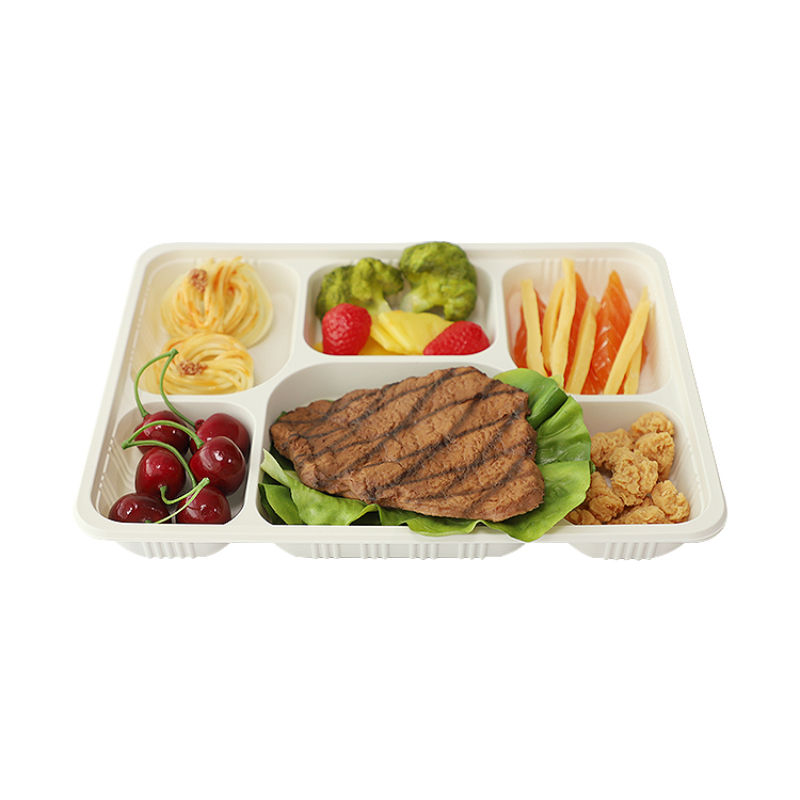
The Gulf Cooperation Council economies are at a turning point for disposable foodservice packaging. Dubai began phasing out single-use plastics in 2024, with further restrictions rolling through 2026, and Saudi Arabia and Qatar are tightening their own regulations on throwaway items. For hoteliers, catering groups, distributors and fast-casual operators buying tableware across the region, bagasse — the fibrous by-product of sugarcane processing — has emerged as one of the most dependable, heat-tolerant alternatives to plastic. Because we manufacture molded bagasse tableware in our own Qingdao factory, we know exactly what it takes to source a compliant, high-performance product at wholesale scale. This guide walks GCC buyers through the ban landscape, the material’s performance in a hot climate, the certifications that matter, halal and quality checks, and the practical logistics of importing to Jebel Ali, Dammam and Hamad ports.
The Policy Landscape: Why GCC Buyers Are Moving to Bagasse
Across the region, single-use plastic bans have moved from voluntary ESG commitments to enforceable law. Dubai’s phased approach — starting with products like plastic bags and straws and widening into more single-use items through 2026 — has pushed thousands of food outlets and distributors to redesign their disposable lines. Saudi Arabia and Qatar have introduced their own restriction timelines and sustainability roadmaps, while the UAE has positioned itself as a regional testing ground for compostable alternatives. Under a binational framework, suppliers that can show certified, genuinely compostable products have a clear advantage.
The shift is reinforced by the sheer scale of the local supplier base. Company directories now list well over 80 verified manufacturers and hundreds of service providers for biodegradable packaging in the UAE alone, which tells you both how competitive the market has become and how much room remains for buyers who choose their source carefully. As more outlets convert, the commercial question is no longer whether to switch, but which material, certificate and supply route to use.
One caution worth repeating: the term “biodegradable” is used loosely in the region. Several products sold as eco-friendly are oxo-degradable or only partly compostable, which is why regulators and discerning buyers are steering toward verifiable standards. True bagasse tableware, certified to recognised compostability norms, avoids the greenwashing trap entirely.
Why Bagasse Performs in a Hot, High-Volume Climate
Gulf foodservice runs hot — literally. Sharwarma, grilled kebabs, biryani, mezzes and fried snacks sit in packaging for extended periods, often under strong heat and floodlights, before reaching the customer. Bagasse is well suited to these conditions because molded sugarcane fiber withstands hot, greasy and heavy foods better than traditional paper or thin-walled plastic options.
- Heat resistance: bagasse holds up to hot servings and warm-hold environments without buckling, waxing, or softening quickly.
- Oil and grease resistance: the natural fiber structure resists grease soak-through, which matters for fried items and saucy mains.
- Structural firmness: molded-fiber bowls and clamshells hold weight, making them practical for delivery and takeaway rather than just dine-in.
- Hot-humid storage: unlike starch-based films that can soften in the region’s heat and humidity, bagasse remains stable during warehousing and transport.
These properties also translate into fewer customer complaints and less double-cupping or double-bagging, which is a real cost consideration when your packaging spend is recurring and volume-driven.
Certifications That GCC Buyers Should Look For
Because cross-border claims are only as good as the proof behind them, look for certifications issued by recognised testing bodies. The certificates most relevant to Gulf buyers overlap with those used in Europe, North America and Asia.
| Certification | What it verifies | Where it is recognised |
|---|---|---|
| DIN EN 13432 | Industrial compostability and biodegradation of packaging | Widely accepted in EU and Middle East foodservice |
| OK Compost | Certified compostability by TÜV AUSTRIA (industrial and home) | International; useful for regional sustainability claims |
| BPI (ASTM D6400) | Compostability in commercial facilities per US standard | North America; increasingly referenced by global brands |
| FDA / LFGB | Food-contact safety | Essential for a packing that touches food |
A certified bagasse line gives you a defensible story for hotels and municipalities that are beginning to ask for documented compliance. We hold BPI (ASTM D6400), DIN EN13432, OK Compost HOME, FDA and LFGB across our Qingdao-manufactured range, and we supply those documents with wholesale orders for your own compliance files.
Halal, Food-Safety and Quality Checks for GCC Orders
GCC buyers typically apply stricter due diligence on food-contact materials than general-market importers. Alongside certifications, run these checks before committing to a factory:
- Halal assurance: confirm that glues, inks, coatings and finishing agents are halal-compliant and supported by supplier documentation, since these are often the overlooked items in a food-packaging audit.
- Food-contact safety certificates: require FDA and LFGB documentation for any surface that touches food, and ask for test reports rather than marketing claims.
- PFAS-free: many contract kitchens and branded outlets now ask for PFAS-free tableware; choose a supplier that states this clearly and can back it up.
- Sample verification: never skip the sample stage — physically test heat tolerance, grease resistance and dimensional consistency before locking container space.
- Consistent batch quality: ask how the factory maintains colour, wall thickness and dimensional tolerances across production runs and seasons.
Because brands in the GCC lean on presentation, quality control directly affects customer perception. A polished, consistent bagasse line reinforces sustainability messaging, while an inconsistent one undermines it.
Sourcing and Logistics: Ports, Incoterms and Lead Times
Once you have a certified, halal-confirmed product line, the next decision is how it reaches the region. The GCC is served by modern deep-water ports, and your choice affects cost, transit time and risk.
Key Ports and Routing
- Jebel Ali (Dubai, UAE): the region’s leading container hub and a common consolidation and re-export point for Gulf-wide distribution.
- Dammam (Saudi Arabia): the industrial gateway for Saudi demand, well suited for buyers supplying the kingdom’s eastern and central provinces.
- Hamad (Qatar): the main sea entry for Qatari foodservice and hospitality projects.
Incoterms: FOB vs. DDP
For first-time GCC importers, the Incoterm choice heavily influences risk and cash flow. FOB Qingdao keeps freight and customs in your control and is more transparent on pricing; DDP moves delivery, duties and clearance risk to the supplier for a more predictable landed cost. Whichever you choose, confirm whether the supplier’s quote covers export documentation, certification copies and case labelling that satisfies local inspection.
Lead Times and MOQ
Factory-direct molded bagasse usually runs a few weeks for standard lines, with longer cycles for custom print or bespoke molds. Flexible minimum order quantities let smaller distributors and new brands build a footprint before committing to full containers. Shipping by sea container is the mainstream route for cost-sensitive wholesale orders.
Common Sourcing Mistakes on GCC Imports
Buyers who skip due diligence often encounter the same problems. Avoid these pitfalls:
- Trusting the word “biodegradable” alone: verify a formal compostability certificate rather than relying on unspecified claims.
- Overlooking certification documents for customs: keep BPI, EN13432, FDA and LFGB copies with your import paperwork to smooth clearance.
- Choosing material based only on price: thin, low-density fiber fails heat and grease tests in real use, driving hidden re-purchase costs.
- Ignoring storage conditions: keep bagasse dry and ventilated during the Gulf’s hot, humid months to preserve rigidity until point of use.
- Skipping the sample stage: brief visual checks miss the tolerance and soak-through problems that surface under full kitchen load.
Custom Branding and Wholesale Sourcing From Our Factory
Moving from generic stock to branded packaging strengthens your sustainability story and your margins. As a manufacturing source rather than a re-seller, our Qingdao factory supports OEM and custom-logo work, so you can build a distinct look across plates, bowls, clamshells and food containers without a middle layer marking up.
We deal factory-direct with an MOQ structured for flexibility, provide a quote within about 24 hours, and ship by container worldwide from Qingdao on FOB (or DDP if you prefer a landed-cost basis). Whether you are ready to re-brand your deli and delivery range, stock a Gulf warehouse, or trial a product line before scaling, we can supply certification documents, samples and custom print support.
Reach us on WhatsApp at +86 176 8572 4081 or email bygj3@qdbiotrade.com, and request a wholesale quote to get a factory price for your Gulf order.
Frequently Asked Questions
Is bagasse tableware suitable for the hot GCC climate?
Yes. Molded sugarcane fiber holds up well to hot, greasy and heavy foods, which is important for Gulf takeaway and delivery formats. It also remains stable during hot, humid storage better than some starch-based films. Always store the product dry and ventilated to preserve firmness, and confirm your specific line is certified for food-contact before ordering.
Which certifications should a GCC buyer demand?
Prioritise DIN EN13432 and OK Compost for compostability, plus BPI (ASTM D6400) if your brand operates across North America too. For food safety, require FDA and LFGB documentation for all food-contact surfaces. Keeping copies of these certificates with your import paperwork also smooths customs clearance. Our Qingdao range carries BPI, EN13432, OK Compost HOME, FDA and LFGB.
Does your factory support custom logo and OEM branding?
Yes. As a manufacturer rather than a distributor, we handle OEM and custom-logo orders directly, covering carton, plate, bowl, clamshell and container formats. Tell us your target quantities and we can guide print options, art requirements and production timelines. Custom print extends lead time versus stock, so plan your branding lead-in accordingly.
What is the difference between FOB and DDP for my order?
FOB Qingdao gives you control over freight and customs, and tends to be more transparent on unit pricing. DDP moves delivery, duty and clearance risk to the supplier for a predictable landed cost but is typically priced higher. Choose based on whether you want direct control or a one-stop landed price, and confirm which export documents and delivery terms are included.
Can I get a sample before placing a container order?
Yes, samples are available before you commit to volume. Given the region’s heat and the heavy, greasy foods common in Gulf kitchens, we recommend testing heat tolerance, grease resistance and dimensional consistency in your own setting. A sample pass protects you from a costly full-container miss.
Is bagasse tableware halal-friendly?
Bagasse itself is a natural plant fiber and generally uncontroversial for halal use, but the real question is the ancillary materials. Confirm with your supplier that glues, inks, coatings and finishing agents are halal-compliant and documented. We work with foodservice buyers across the GCC and can share the relevant documentation for your line before production.
Explore Our Range
For a deep dive into the details behind your sourcing decision, explore related guides from this series and our existing resources. The UK bagasse tableware wholesale guide covers export compliance and Incoterm choices for distributors, while the EU PPWR 2026 compliance article explains the compostable packaging requirements now spreading globally, and our 2027 foodservice packaging trends guide shows where regulation and buyer demand are heading next.
- FOB vs. EXW shipping terms for tableware importers
- Bagasse tableware sourcing for US importers
- Export and shipping bagasse containers from China
- Our certifications explained
Browse our wholesale bagasse plates, bowls, clamshell boxes and container range, and request a factory quote for your GCC wholesale order.


